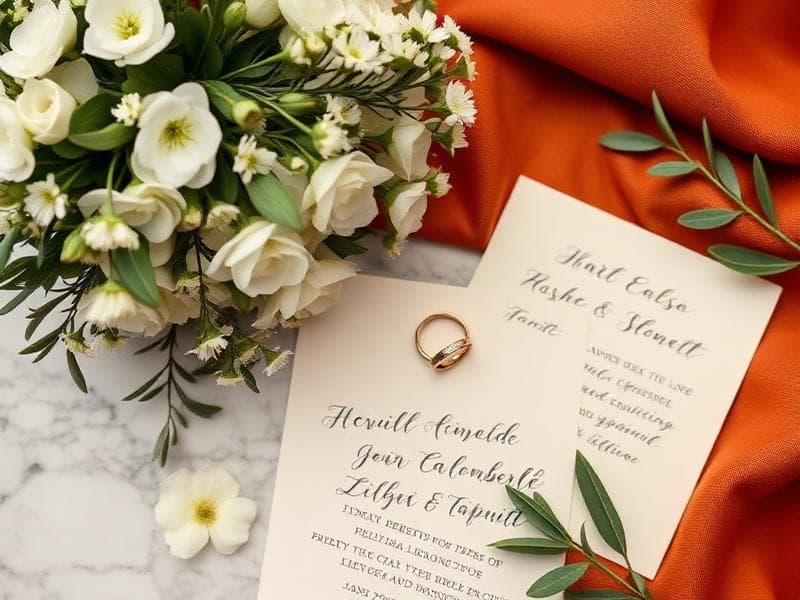
Civil vs Orthodox ceremonies, required documents, apostille rules, Greek translations and realistic timelines for foreign couples marrying legally on Folegandros.
Can foreigners marry in Greece?
Yes. Greece recognises marriages performed for foreign nationals under both civil law and the Greek Orthodox Church. Folegandros falls under the municipality of Folegandros–Sikinos; we work directly with the local town hall and clergy to file paperwork and schedule your ceremony date.
The process is straightforward when documents are prepared correctly — and stressful when they are not. Folegandros Dreams has guided couples from the UK, US, Australia, Germany, France and beyond through every step. We recommend starting legal prep 4–6 months before your wedding, or 3 months minimum for elopements.
Civil vs Orthodox
A civil ceremony is officiated by the mayor or a authorised registrar at the town hall or an approved outdoor location. It is secular, bilingual-friendly and typically shorter (20–30 minutes). Many destination couples choose civil ceremonies at Panagia or Chora with a legal signing at the municipality beforehand.
An Orthodox religious wedding requires baptism certificates (if applicable), engagement approval from the local bishop (metropolis), and coordination with a priest. The ceremony includes stefana crowns, scripture readings and traditional rituals — deeply meaningful for couples of Greek heritage or those seeking spiritual depth. See our Greek wedding traditions guide for cultural context.
Required documents
For civil marriages, each partner typically needs: a full birth certificate (long form), a certificate of no impediment to marriage (or equivalent affidavit), a valid passport copy, and divorce or death certificates if previously married. Both partners must appear in person at the municipality before the wedding to sign declarations.
Orthodox weddings add baptism certificates and may require a letter from your home parish. Document lists vary slightly by country of origin — we send a personalised checklist after your consultation.
Apostille & translations
All foreign public documents must carry an Hague Apostille from the issuing country. After apostille, documents must be translated into Greek by a certified translator recognised by the Greek foreign ministry or a local court. We connect you with trusted translators and verify acceptance before you travel.
Common mistake: submitting notarised copies without apostille, or translations done by non-certified services. Either delay can push your wedding date. We review every document before submission so surprises never reach the altar.
Realistic timeline
Months 6–4 before: gather birth certificates and no-impediment papers; begin apostille process. Months 4–2: certified Greek translations; submit files to municipality; reserve ceremony date. Month 1: final in-person signing at town hall; confirm priest (if Orthodox) and venue permits.
Peak summer Saturdays fill quickly — legal dates and venue holds should happen in parallel. Budget €500–€1,500 for document fees, translations and municipality charges depending on complexity.
Symbolic alternative
If timelines are tight or you prefer simplicity, marry legally at home and hold a symbolic ceremony on Folegandros. You exchange vows, rings and celebrations without Greek bureaucracy — perfect for renewals or couples who already completed civil registration elsewhere.
Whether legal or symbolic, we design a day that honours your intentions. Read the complete Folegandros wedding guide or contact us for a document checklist tailored to your nationality.
Plan your Folegandros wedding
Free consultation within 48 hours — local team based on the island.